Auto Parts Blog / What Do Spark Plug Numbers Mean? A Complete Decode Guide
What Do Spark Plug Numbers Mean? A Complete Decode Guide
February 21, 2026

What Do Spark Plug Numbers Mean? A Complete Decode Guide is a maintenance question with a parts answer. The useful version is: confirm the symptom, confirm the catalog number, then replace the worn piece with the same spec — not a random upgrade.
What this page is actually about
“What Do Spark Plug Numbers Mean? A Complete Decode Guide” should help you decide what to buy and what to inspect, not repeat a two-paragraph fitment disclaimer. The parts that belong in this conversation are Spark plugs. If the title names a brand, that brand’s collection is the first aisle. If it names a system — plugs, filters, coils, sensors, chemicals — stay in that system until the symptom says otherwise.
Search engines and answer engines reward pages that state the decision, the exceptions, and the next click. The decision is: match the OEM or current aftermarket number. The exception is a published supersession or a documented equivalent. The next click is the collection or search result for the brands and vehicles in the title.
A practical order of operations
- Write down year, engine, and the number on the old part or in the manual
- Search that number on TXN Supply Co before you browse by vehicle nickname
- Open the product page and read the application table and the catalog number
- Replace the set or the failed position; inspect boots, wells, and filters in the same visit
If you skip the number and shop by “best brand,” you will get a confident-sounding box that may still be the wrong reach or bypass design. That is how short articles fail owners. This longer page exists so the title matches the advice.
Confirm the part number before you order
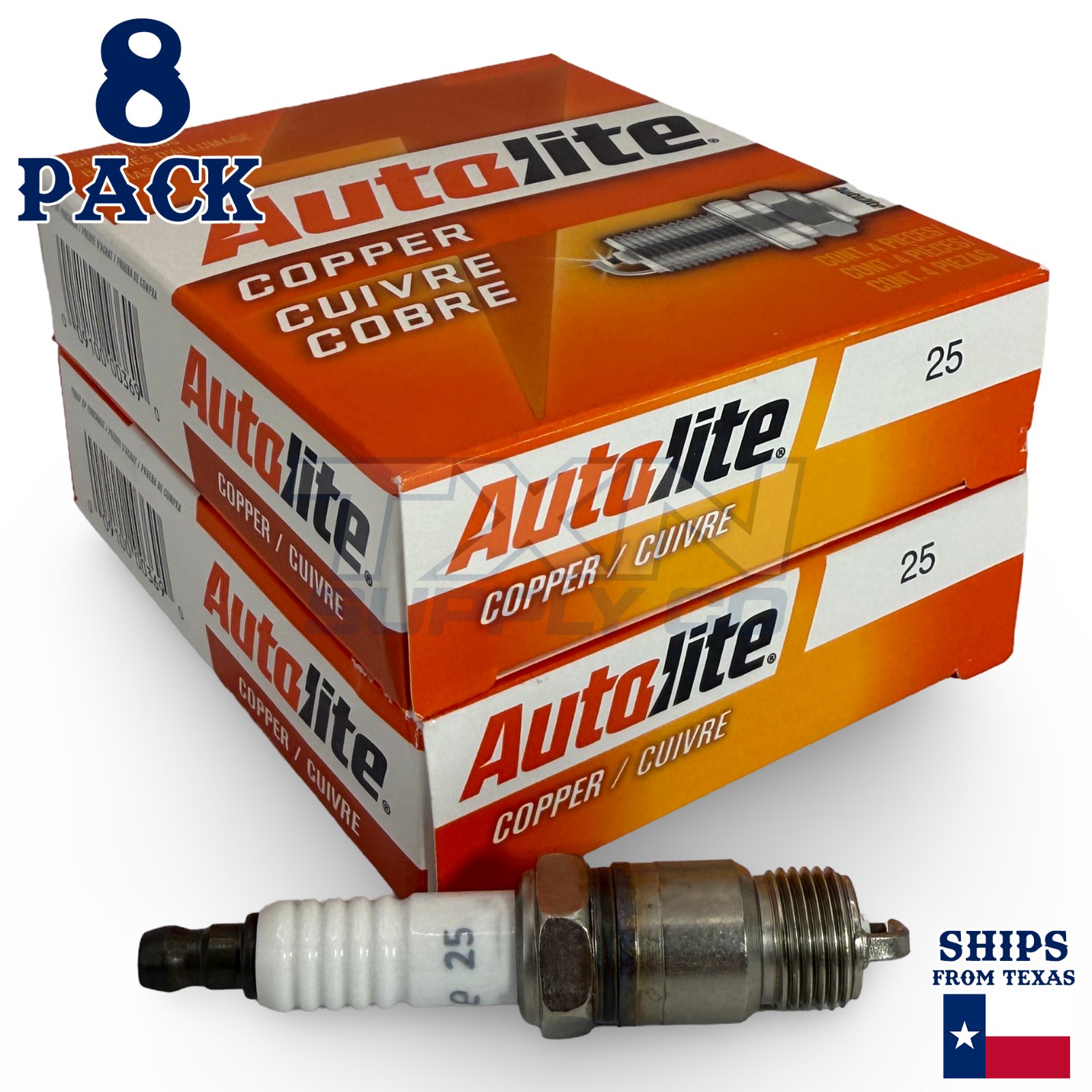
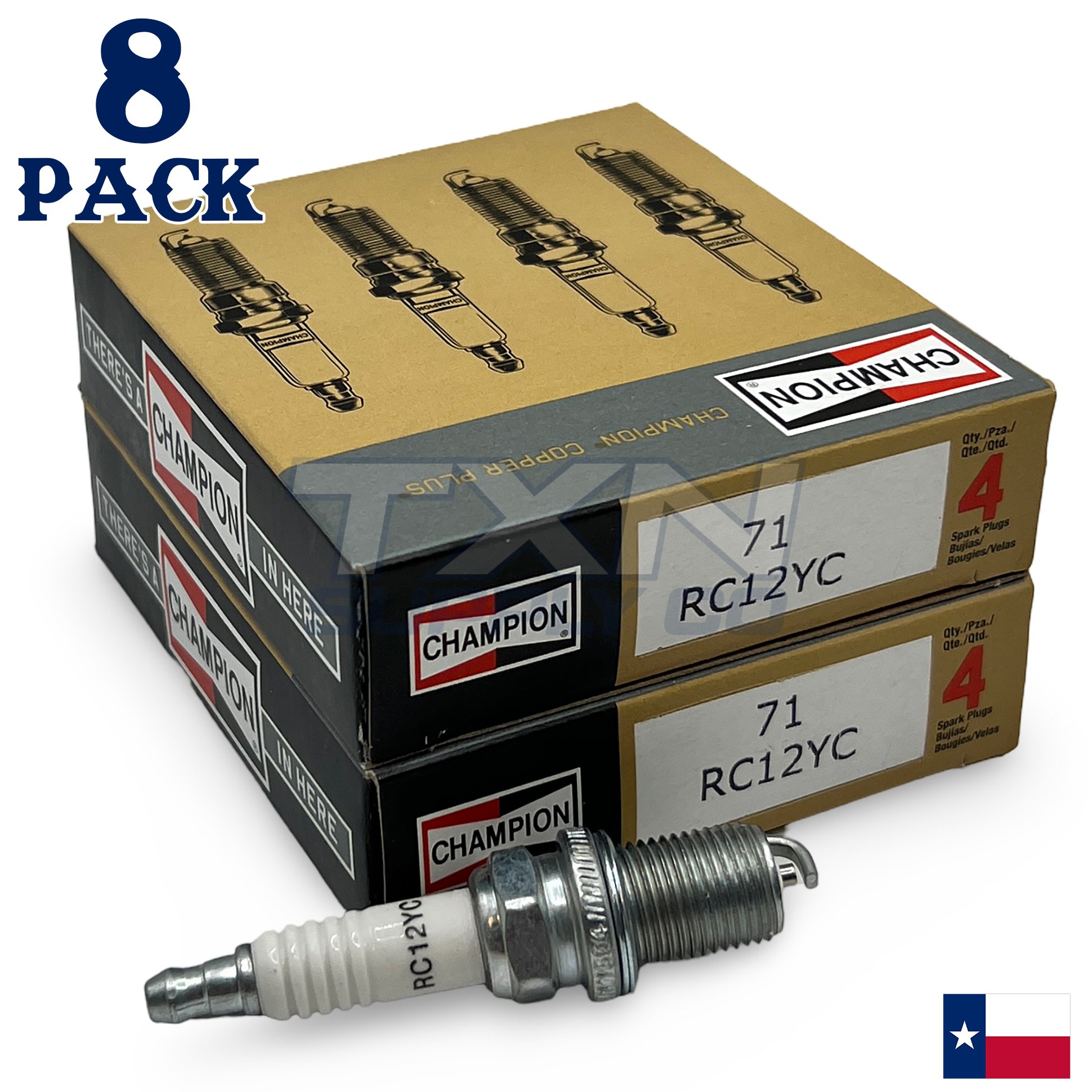
The title What Do Spark Plug Numbers Mean? A Complete Decode Guide is only useful after year, engine, and the number on the old part agree. Door-jamb stickers and under-hood labels get you to the engine family. The owner's manual, the porcelain on the old plug, or the filter canister stamp get you to the catalog number. Suffix letters matter. A PF63 is not automatically a PF63F. An RC12YC is not a random Champion copper plug with a similar box.
Use the homepage Parts Finder when you do not have the old part in hand. After you open a listing, read the vehicle table and the brand number on that page. If two listings look close, compare reach, seat type, heat range, and pack quantity — not just the vehicle name in the title.
Install notes that prevent a second job
For What Do Spark Plug Numbers Mean? A Complete Decode Guide, start every plug by hand so a cross-thread does not wreck the head. Seat the washer or taper, then torque to the spec for that thread size and seat. Anti-seize is not a default on modern plated shells; if a manufacturer says dry, follow that. Coil boots that are swollen, wet, or cracked should come off with the plugs. Oil in a plug well is a valve-cover or tube problem, not a reason to buy a hotter plug.
- Blow dirt out of the well before the old plug comes out
- Compare reach and seat to the plug you removed
- Replace the full bank or the full engine set when mileage is high
- Clear misfire codes and confirm idle after the first heat cycle
Service interval and warning signs
What Do Spark Plug Numbers Mean? A Complete Decode Guide does not change the basic wear curve. Copper cores are often a 20,000 to 40,000 mile part. Platinum and iridium listings are commonly 60,000 to 100,000 miles on a healthy stock engine. Towing, short trips, heat-soak, and a rich idle shorten that. A persistent misfire, a cold stumble, or a P0300–P030X code is a reason to inspect now instead of waiting for the calendar.
A worn plug makes the coil work harder. Leaving a misfire in place can overheat a catalytic converter. That is why a cheap set of the correct plugs is usually cheaper than guessing at coils, injectors, or sensors first.
Shop the parts this article is about
TXN Supply Co stocks the brands and categories named in “What Do Spark Plug Numbers Mean? A Complete Decode Guide”. Start with Spark plugs. Every US order ships free from Texas. Confirm the catalog number on the product page, then order the pack size that matches the cylinder count or the filter housing on your vehicle.