Auto Parts Blog / Champion vs Autolite Spark Plugs: Which Should You Buy?
Champion vs Autolite Spark Plugs: Which Should You Buy?
August 28, 2026
Champion versus Autolite is a real buying decision for a lot of domestic engines, small engines, and value-minded tune-ups. It is not a generic “match any copper plug” question. Champion and Autolite both sell copper-core, platinum, and iridium lines, but they do not share the same OEM history, heat-range catalogs, or typical applications. If you came here because the title says Champion vs Autolite, start by deciding which brand’s number is already on the engine — then decide whether a published equivalent in the other brand is actually listed for that year and engine.
What Champion is usually for
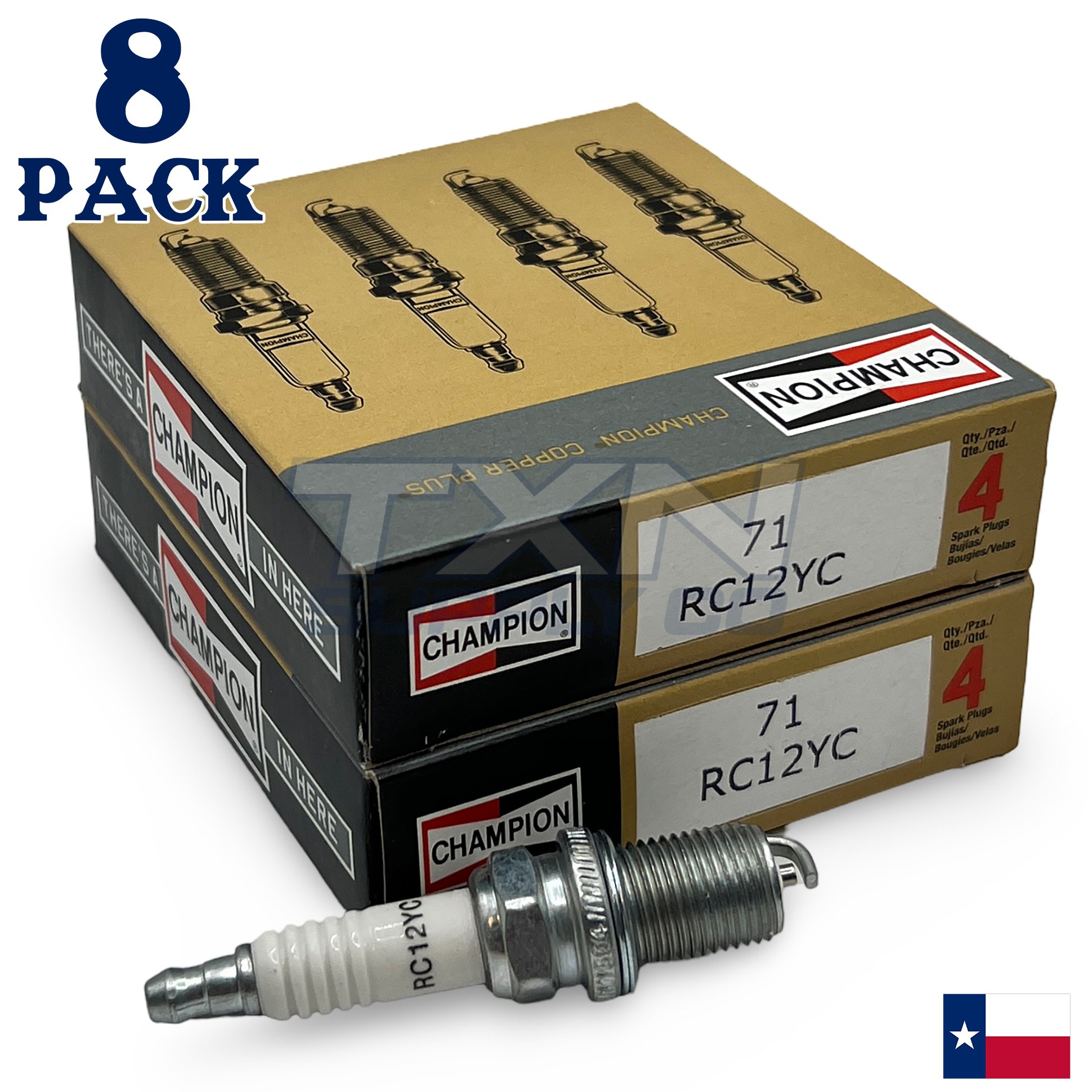
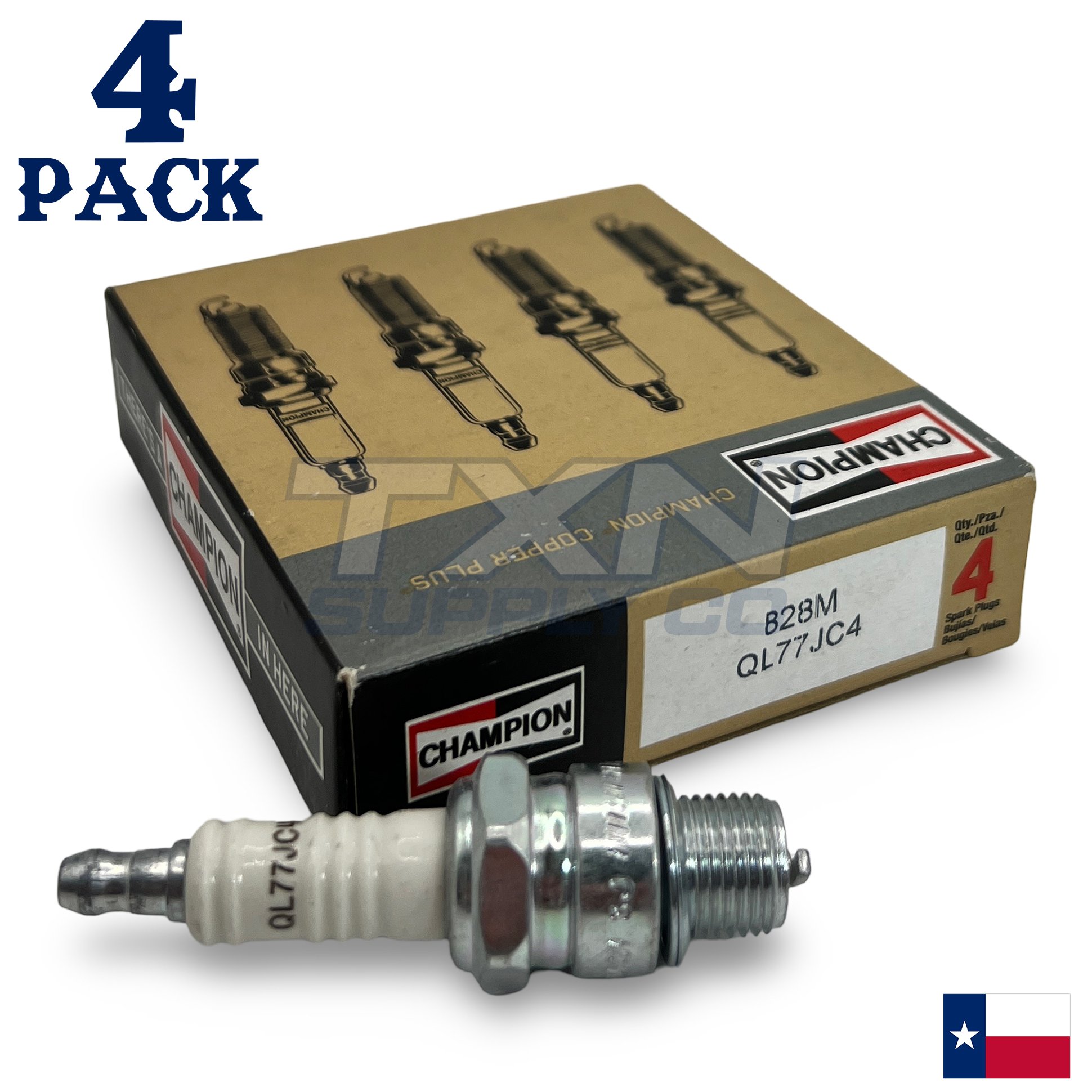
Champion spark plugs have a long record on small engines, marine, lawn equipment, and a wide copper-plus automotive set. Numbers such as RC12YC / Champion 71 show up on generators, older fours, and plenty of light-duty automotive applications. Champion Copper Plus is the volume line: a copper core, a nickel alloy ground, and a heat range you must not “upgrade” by guessing. Champion also sells platinum and iridium for longer intervals. If the owner’s manual or the old porcelain says Champion, stay on that Champion number unless a current catalog lists a tested Autolite equivalent with the same reach, seat, and heat range.
Champion is often the easier brand when you are replacing a small-engine plug or a classic copper application where the aftermarket has used Champion numbers for decades. The box number and the letter suffix are the product. A Champion 71 is not “any 14mm copper plug.” Thread reach and the gasket versus taper seat have to match the head.
What Autolite is usually for
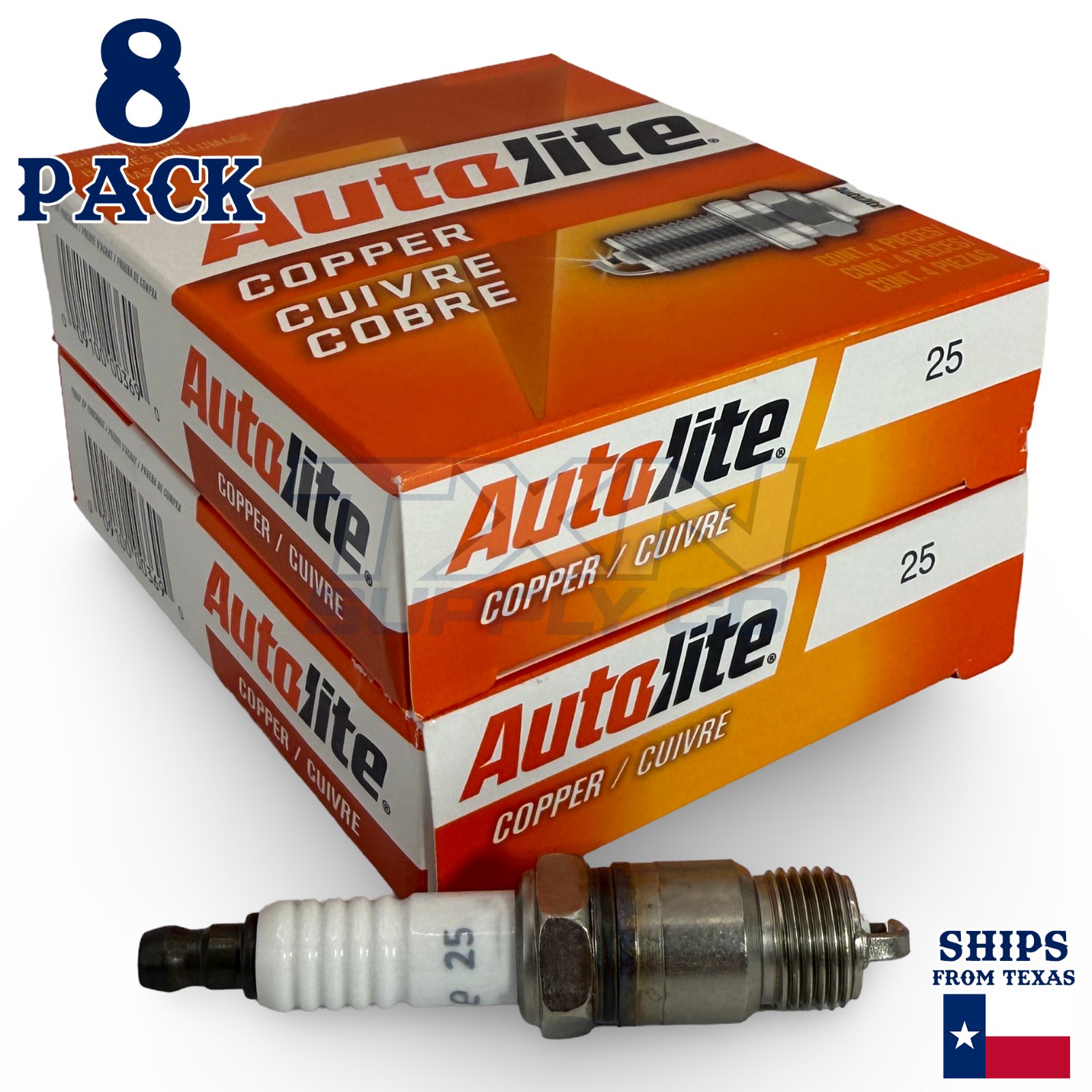
Autolite spark plugs are a domestic-garage staple, now in the Fram family, and they show up constantly on Ford, GM, and Chrysler copper-core lists. Autolite 25 is a common copper-core number we stock in multi-packs for applications that call for that exact plug — not a substitute picked by price. Autolite’s copper, platinum, and iridium lines cover daily drivers that want a known US-market brand. Stay on Autolite when the old plug is already an Autolite number or the application table lists it. Switching to Champion “because copper is copper” is how people end up with the wrong reach or heat range.
When Champion is the better buy
- The old plug or the OEM book is a Champion number (RC12YC, 71, 438, and similar)
- Small engine, marine, or equipment applications that are cataloged in Champion first
- You found a published Champion equivalent and the Autolite listing does not list your engine
- You need a specific Champion copper-plus heat range that Autolite does not publish as a match
When Autolite is the better buy
- The old plug is Autolite (25, 3924, and other copper or platinum numbers we list)
- A current vehicle table lists Autolite and does not list a Champion match you can verify
- You want a domestic copper or platinum set at a pack price for a V6 or V8
- The Champion box you found is a different heat range or reach than the part you removed
Copper, platinum, and iridium inside both brands
Neither brand wins the material argument by logo. Copper cores fire easily and cost less; they wear faster. Platinum lasts longer on a stock daily driver. iridium spark plugs are usually the longest-lived late-model choice when the OEM plug is already iridium. A Champion iridium and an Autolite iridium are still different catalog numbers. Buy the material your interval calls for, then pick the brand that publishes that number. Two copper plugs can look identical and still differ in reach, heat range, and seat. If a chart lists Champion 71 against an Autolite number, use that pair only. Browse the spark plug catalog when you are still narrowing the engine.
Confirm the part number before you order
The title Champion vs Autolite is only useful after year, engine, and the number on the old part agree. Door-jamb stickers and under-hood labels get you to the engine family. The owner's manual, the porcelain on the old plug, or the filter canister stamp get you to the catalog number. Suffix letters matter. A PF63 is not automatically a PF63F. An RC12YC is not a random Champion copper plug with a similar box.
Use the homepage Parts Finder when you do not have the old part in hand. After you open a listing, read the vehicle table and the brand number on that page. If two listings look close, compare reach, seat type, heat range, and pack quantity — not just the vehicle name in the title.
Install notes that prevent a second job
For Champion or Autolite plugs, start every plug by hand so a cross-thread does not wreck the head. Seat the washer or taper, then torque to the spec for that thread size and seat. Anti-seize is not a default on modern plated shells; if a manufacturer says dry, follow that. Coil boots that are swollen, wet, or cracked should come off with the plugs. Oil in a plug well is a valve-cover or tube problem, not a reason to buy a hotter plug.
- Blow dirt out of the well before the old plug comes out
- Compare reach and seat to the plug you removed
- Replace the full bank or the full engine set when mileage is high
- Clear misfire codes and confirm idle after the first heat cycle
Shop the parts this article is about
TXN Supply Co stocks the brands and categories named in “Champion vs Autolite Spark Plugs: Which Should You Buy?”. Start with Autolite parts, Champion parts, and Spark plugs. Every US order ships free from Texas. Confirm the catalog number on the product page, then order the pack size that matches the cylinder count or the filter housing on your vehicle.